
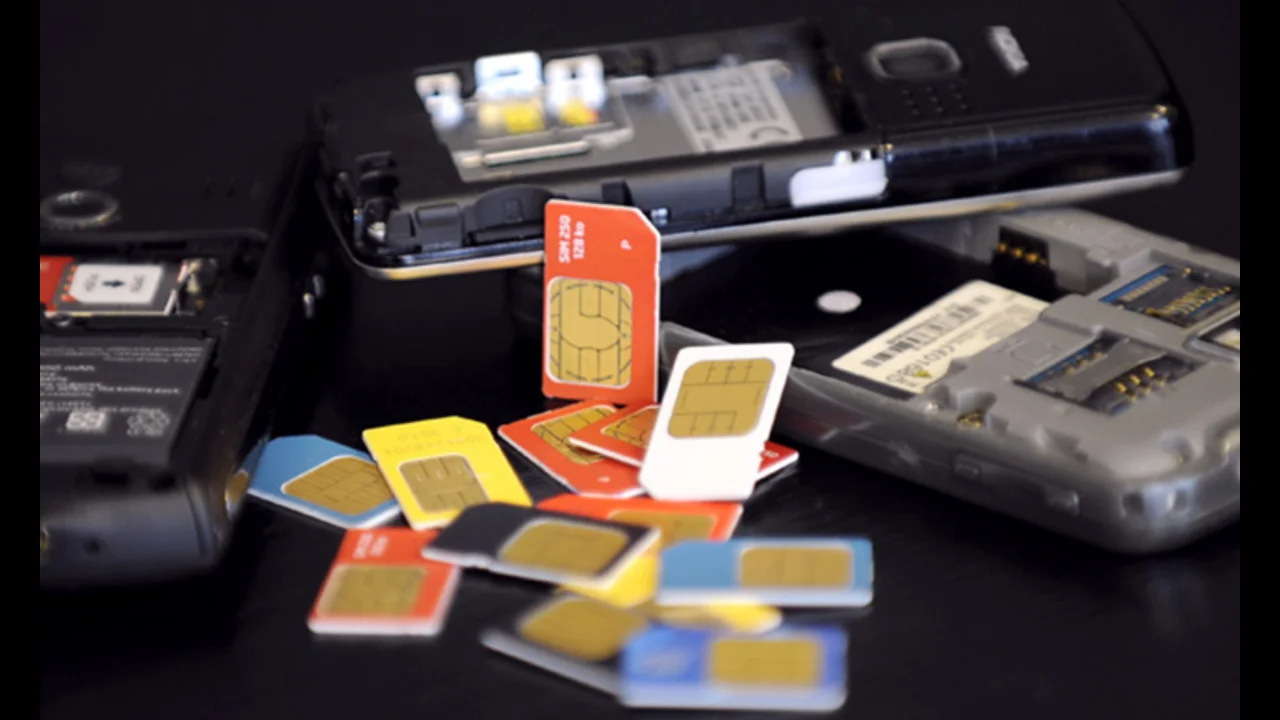
The end of SIM registration has become an important topic in many countries as governments and telecom regulators update their policies around mobile security and digital identity. SIM registration policies were originally introduced to reduce fraud, cybercrime, and anonymous communication. However, discussions about the end of SIM registration have raised questions about privacy, regulation, and the future of mobile connectivity.
In this article, we will explore what SIM registration is, why it was implemented, the reasons behind the potential end of SIM registration, and how such changes could affect mobile users and telecom companies.
What Is SIM Registration?
SIM registration is a regulatory process that requires mobile phone users to register their SIM cards with their personal identification details. When purchasing a SIM card, users are often required to submit documents such as:
- National ID card
- Passport
- Driver’s license
- Biometric verification
These details are stored by telecom operators and sometimes shared with government authorities for security purposes.
SIM registration policies became common in many countries during the early 2000s as governments sought to track mobile phone usage more effectively. However, discussions about the end of SIM registration have started emerging as policymakers reconsider the effectiveness and implications of these regulations.
DITO Sim Registration Link (Online Form register.dito.ph)
Why SIM Registration Was Introduced
To understand the potential end of SIM registration, it is important to look at why SIM registration policies were introduced in the first place.
Combating Crime
One of the main goals of SIM registration was to prevent criminals from using anonymous SIM cards for illegal activities. Authorities believed that linking phone numbers to verified identities would make it easier to track suspects involved in crimes such as fraud, harassment, and terrorism.
Reducing Mobile Fraud
SIM registration also helped telecom operators prevent fraud and misuse of mobile networks. By verifying users’ identities, companies could reduce the risk of SIM-related scams and unauthorized activities.
Strengthening National Security
Many governments implemented SIM registration systems as part of broader national security strategies. By knowing who owns each SIM card, authorities could investigate suspicious communications more effectively.
Despite these goals, critics argue that the policies have not always been effective, which has fueled debates about the end of SIM registration.
Why Some Countries Are Considering the End of SIM Registration
The idea of the end of SIM registration is being discussed in several regions due to various concerns related to privacy, effectiveness, and technological changes.
Privacy Concerns
One of the biggest criticisms of SIM registration systems is that they require individuals to share sensitive personal information. Critics argue that storing such data creates risks of misuse, data breaches, or surveillance.
Advocates for digital privacy believe that the end of SIM registration could protect users from unnecessary data collection and strengthen personal privacy rights.
Limited Effectiveness Against Crime
Another argument supporting the end of SIM registration is that criminals often find ways to bypass these systems. For example, individuals involved in illegal activities may use fake identities, stolen documents, or foreign SIM cards.
As a result, some experts argue that SIM registration does not significantly reduce crime and may instead create administrative burdens.
Administrative Costs
Maintaining large databases of registered SIM users requires significant resources for both telecom operators and government agencies. These costs include data storage, identity verification, and regulatory compliance.
Because of these expenses, policymakers are evaluating whether the benefits outweigh the costs, leading to discussions about the end of SIM registration in some jurisdictions.
Potential Benefits of Ending SIM Registration
If governments decide to implement the end of SIM registration, there could be several advantages for consumers and the telecommunications industry.
Greater Privacy Protection
Without mandatory SIM registration, users would not need to provide personal identification when purchasing a SIM card. This could reduce the risk of personal data exposure and enhance privacy.
Easier Access to Mobile Services
Removing registration requirements could make it easier for people to obtain mobile services quickly. Tourists, temporary workers, and individuals without official identification would benefit from simplified access.
Faster Market Growth
The end of SIM registration might encourage growth in the telecommunications market. By lowering barriers to entry, telecom providers could attract more users and expand mobile connectivity.
Possible Risks and Challenges
While the end of SIM registration offers potential benefits, it also raises concerns among policymakers and security experts.
Increased Anonymous Communication
One of the main risks of eliminating SIM registration is that it may allow individuals to communicate anonymously through mobile networks. This could make it more difficult for authorities to investigate certain crimes.
Law Enforcement Challenges
If the end of SIM registration becomes widespread, law enforcement agencies may face new challenges in identifying suspects during criminal investigations involving mobile communication.
Regulatory Adjustments
Telecom regulators may need to develop alternative methods for maintaining security and preventing fraud if SIM registration requirements are removed.
Alternatives to SIM Registration
Even if governments decide on the end of SIM registration, they may introduce other systems to balance security and privacy. Some possible alternatives include:
- Network monitoring systems that detect suspicious activities
- Stronger digital identity frameworks for online services
- Enhanced fraud detection tools used by telecom providers
- Improved cybersecurity regulations
These measures could help maintain security without requiring every SIM card to be linked to a personal identity.
The Future of Mobile Regulation
The debate about the end of SIM registration reflects a broader conversation about balancing security, privacy, and technological innovation. As mobile technology continues to evolve, governments and telecom companies will need to adapt their regulatory approaches.
In some countries, SIM registration policies are becoming stricter with biometric verification and real-time identity checks. In others, policymakers are questioning whether such regulations are still necessary in the modern digital landscape.
Ultimately, the future of SIM registration will likely vary from one region to another, depending on local laws, security concerns, and public attitudes toward privacy.
Conclusion
The discussion around the end of SIM registration highlights the ongoing tension between security and privacy in the digital age. While SIM registration was originally introduced to combat crime and improve accountability in mobile communications, critics argue that it may not always achieve these goals effectively.
If the end of SIM registration becomes a reality in more countries, it could reshape the telecommunications industry and change how users access mobile services. Policymakers will need to carefully consider both the advantages and the potential risks to ensure that any changes benefit society while maintaining safety and trust in communication networks.