
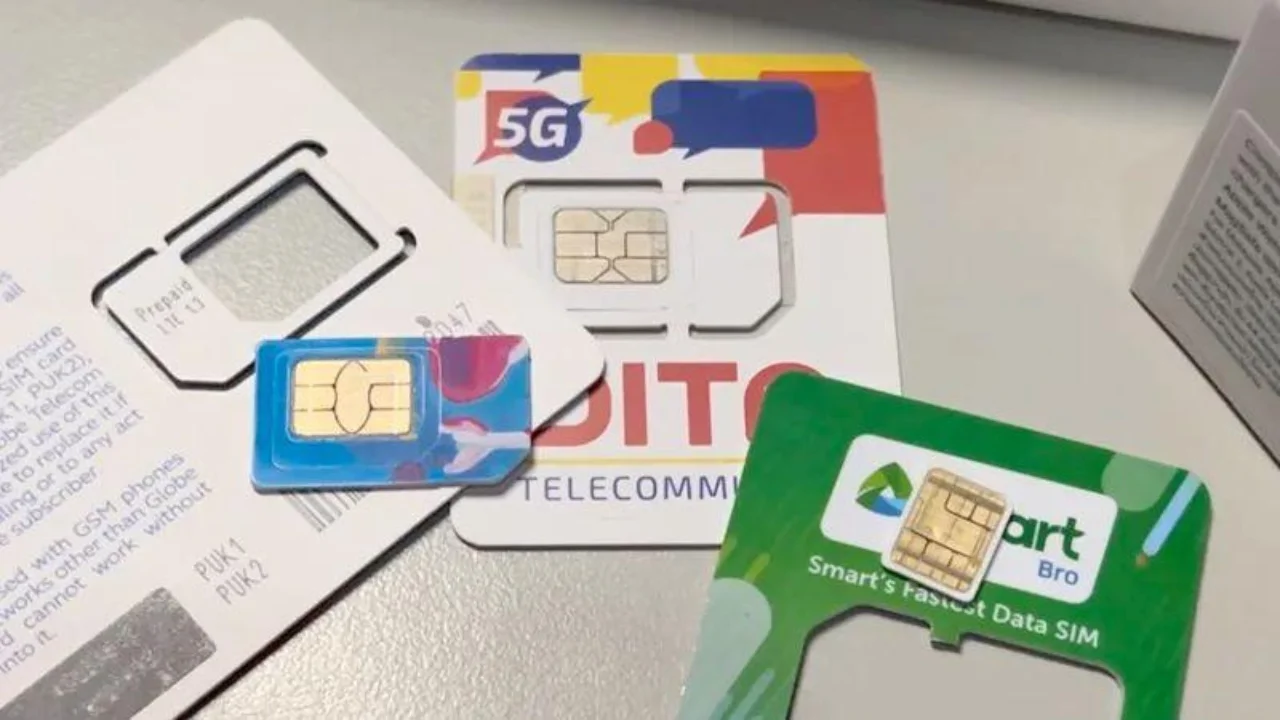
The sim card registration law philippines is a major legislative step taken by the Philippine government to combat cybercrime, scams, and other digital threats. With the rapid growth of mobile phone usage in the country, anonymous SIM cards had become a common tool for criminals involved in fraud, identity theft, and online scams. The new law aims to address these issues by requiring all SIM card users to register their identity with their telecommunications provider.
This article explains the sim card registration law philippines, how it works, who must register, its benefits, penalties for non-compliance, and what it means for mobile users.
What Is the SIM Card Registration Law Philippines?
The sim card registration law philippines refers to the policy that requires all mobile phone users in the Philippines to register their SIM cards with their respective telecommunications providers. This law is formally known as the SIM Card Registration Act, officially implemented to reduce criminal activities carried out through anonymous phone numbers.
Under the sim card registration law philippines, every SIM card user must provide accurate personal information such as their full name, address, and a valid government-issued ID. This information is then verified and stored by telecom companies in a secure database.
The law applies to both new and existing SIM card users, meaning even those who purchased SIM cards before the law was enacted must register them to keep their services active.
Why the SIM Card Registration Law Philippines Was Introduced
The sim card registration law philippines was introduced primarily to fight rising cybercrime cases. In recent years, many Filipinos have fallen victim to scams involving text messages, fraudulent calls, and phishing schemes.
Criminals often use unregistered prepaid SIM cards to remain anonymous while committing illegal activities. Because these SIM cards were previously easy to purchase without identification, authorities found it difficult to track perpetrators.
By implementing the sim card registration law philippines, the government aims to:
- Reduce scam and fraud incidents
- Improve law enforcement tracking of criminals
- Increase accountability among mobile users
- Strengthen digital security nationwide
This law is considered a significant step toward creating a safer digital environment in the Philippines.
Who Needs to Register Their SIM Card?
The sim card registration law philippines applies to all mobile phone users, including:
- Prepaid SIM card users
- Postpaid subscribers
- Foreign visitors using local SIM cards
- SIM cards used in mobile broadband devices
If you own multiple SIM cards, the sim card registration law philippines requires that each one be registered individually.
Foreign tourists are also required to comply with the sim card registration law philippines, but their SIM cards are typically registered with limited validity periods depending on the length of their stay.
How SIM Card Registration Works
Registering under the sim card registration law philippines is generally simple and can be completed online through the telecom provider’s registration portal.
Typical Registration Steps
- Visit the official SIM registration website of your telecom provider.
- Enter your mobile number.
- Provide personal information such as your name, birthdate, and address.
- Upload a valid government-issued ID.
- Take or upload a selfie for identity verification.
- Submit the registration form.
After submission, the telecom provider verifies the information and confirms the registration.
The sim card registration law philippines requires telecom companies to ensure the security and confidentiality of all personal data collected during the registration process.
Penalties for Not Registering SIM Cards
Failure to comply with the sim card registration law philippines can result in service disruption. If a SIM card is not registered within the required timeframe, it may be automatically deactivated by the telecom provider.
The law also includes penalties for individuals who attempt to abuse the registration system. Violations under the sim card registration law philippines may include:
- Providing false information during registration
- Using fake or stolen identities
- Selling or distributing SIM cards registered under another person’s name
These offenses may lead to fines or imprisonment, depending on the severity of the violation.
Benefits of the SIM Card Registration Law Philippines
The sim card registration law philippines offers several benefits for both the government and the public.
1. Reduced Text Scams
With registered SIM cards, authorities can more easily trace scammers and fraudsters.
2. Increased Public Safety
The sim card registration law philippines helps law enforcement agencies identify suspects involved in criminal activities conducted via mobile phones.
3. Improved Digital Accountability
Users are more likely to use their mobile numbers responsibly since their identities are linked to their SIM cards.
4. Stronger Telecommunications Regulation
The law helps telecom companies maintain more accurate user databases and monitor suspicious activities.
Privacy Concerns and Public Debate
Although the sim card registration law philippines aims to improve security, some critics have raised concerns about data privacy and potential misuse of personal information.
Privacy advocates worry that storing millions of users’ personal details in telecom databases could make them targets for data breaches if proper safeguards are not implemented.
However, the government has stated that the sim card registration law philippines includes strict provisions under existing data protection regulations. Telecom companies are required to follow privacy laws and ensure secure handling of all personal information collected during registration.
Tips for Safe SIM Card Registration
To comply with the sim card registration law philippines safely, mobile users should follow these best practices:
- Register only through official telecom websites or apps
- Avoid sharing personal information with unknown sources
- Double-check the website URL before submitting details
- Keep your registration confirmation for future reference
These precautions help ensure your data remains secure while completing the registration process.
Final Thoughts
The sim card registration law philippines represents a significant effort by the Philippine government to combat digital crimes and protect mobile users. By requiring all SIM cards to be registered with verified identities, the law aims to reduce scams, improve law enforcement investigations, and promote responsible mobile communication.
While privacy concerns remain, proper implementation and strong data protection measures can help balance security with personal privacy. For Filipino mobile users, complying with the sim card registration law philippines is not only a legal requirement but also a step toward building a safer digital environment.